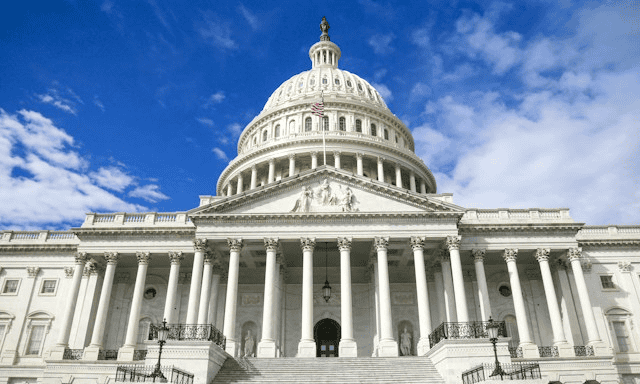
Trump’s party lost Congress. Why is he still President?
America’s voters took Congress from the President’s party. He stays. Here, losing the House means losing the government. Why?
Read MoreAmerica’s voters took Congress from the President’s party. He stays. Here, losing the House means losing the government. Why?

Read MoreA Prime Minister complained, on the record, of a judiciary that would not do as it was told. Two years of investigation later, the government's own panel could find exactly one ruling to support the complaint — and it favoured a foreigner, not a political enemy. A Lord President lost his career inside that gap.
Read MoreFor decades, one person in Putrajaya has worn two hats. He advises the government on how to stay in power. He decides who will be prosecuted and who will quietly walk away. Does the new “AG–PP split” Bill truly cut that cord, or simply dresses old political control in the language of 'reform'? Do you know what I think?
Read MoreThe Anwar government is changing who controls the gate into the legal profession. A Minister will choose - and can remove - most of the people who decide who becomes a lawyer. When politicians control that gate, future lawyers may think twice before taking cases against the government. And when that happens, ordinary Malaysians may struggle to find truly independent help in court.
Read MoreCan a King’s mercy bypass constitutional procedure? In a landmark ruling, Justice Alice Loke says, “No”. She affirms that even royal prerogatives must give way to Constitutional 'due process'.
Read MoreIs Malaysia still a land where everyone stands equal before the law? Or have powerful hands quietly reshaped our justice system to favour the few?
Read MoreCan a judge speak truth about justice without facing negative consequences? Chief Justice Tengku Maimun’s Malta Speech exposed the deepest fractures. It revealed a constitutional cross-road by asking this question: "Will Malaysians choose constitutional rule, or arbitrary power?" What is your answer? It matters.
Read MoreWe saw in Part-1 of 2, the problems that beset the UK when it chose to leave the EU. Prime Minister Boris Johnson suspended Parliament because he wanted a Brexit ‘with no deal’. The Supreme Court ruled that the prorogation had been unlawful. Why did it say so? And what is so important about the decision? Read on …
Read MoreThey can – as did the UK Supreme Court on 24 Sept 2019. The Court ruled that the PM Johnson’s advice to the Queen to suspend (‘prorogue’) Parliament had been unlawful. The Court declared that Parliament could resume its work. This case is historic. The effect of this case will be felt for centuries. Why? Read on ...
Read MoreIsn’t it treason to knowingly subvert the Rule of Law and the Separation of Powers? It should be.
Read More