Blog , Constitutional Law , English , Government , Politics
Can a Royal Pardon Come With a Leash Attached?
A pardon board can promise a great deal. But can it also fit the leash — or must Parliament forge that first?
Read More

A pardon board can promise a great deal. But can it also fit the leash — or must Parliament forge that first?
Read More
In 2010 the Federal Court let a Menteri Besar fall without a single vote being taken. One clause did it. Does Negeri Sembilan have that clause?
Read More
A paper dated April. A signature added in August, by a man who was not a Menteri Besar in April. Can a constitution be finished in two halves?
Read More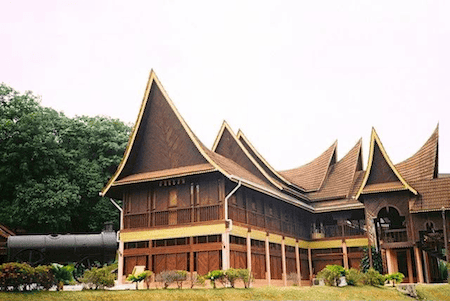
No. A proclamation is the gate; the Constitution is the register. Only one of them moves the title.
Read More
What happens when a lawyer accused of professional misconduct keeps finding excuses not to show up to answer for it?
Read More
Your solicitor raided your money for his own emergency, then quietly put it back. The courts said the wrong was done the moment he took it. Suppose A donates a kidney meant for B, the patient waiting on the transplant list. The surgeon instead implants it in his girlfriend. How would you feel about it — especially if you were B?
Read More
In 1988 a young lawyer in Kuala Terengganu put a sticker on his car. It read Tabik Hormat Untuk Lima Orang Hakim. Salute to the five judges... Thirty-seven years later, that lawyer became Chief Justice of Malaysia.
Read More
Every year the judges and lawyers of Malaysia played the lawyers of Singapore at games... In 1988 it was cancelled. ... Men can play cricket together again while the thing they serve is still broken.
Read More
The Bar went to court twice for the judges, and lost twice. The second time, it was the Bar that was punished.
Read More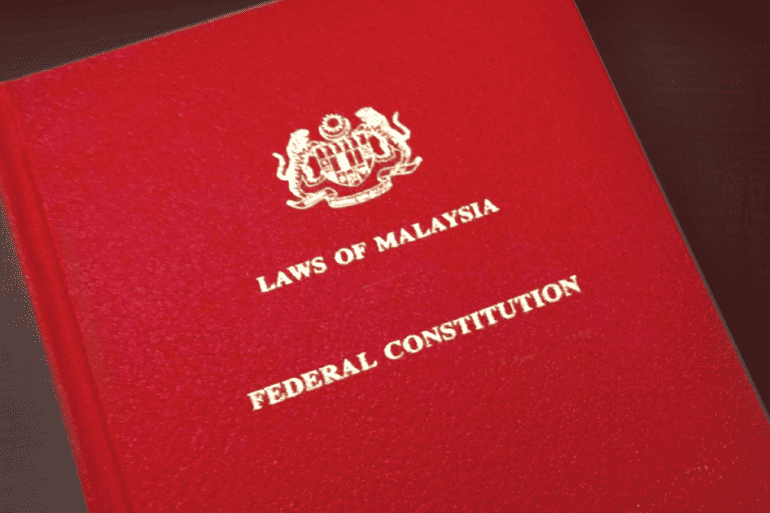
Fourteen words went out. Three went in. What the courts had held by right, they now held by permission. Parliament gives. Parliament may take away. ... The heading is still there. Underneath it, there is none.
Read More