Will the AG–PP split stop political interference in prosecutions?

For decades, one person in Putrajaya has worn two hats. He advises the government on how to stay in power. He decides who will be prosecuted and who will quietly walk away. Does the new “AG–PP split” Bill truly cut that cord, or simply dresses old political control in the language of 'reform'? Do you know what I think?

Read More

How will Artificial Intelligence impact judicial decision‑making?

It’s no longer if—but when—your next court ruling will be shaped by AI. Judges worldwide already lean on algorithms to sift through files, assess risks, and even draft early versions of judgments. This piece explores how deeply AI has entered courtrooms, where it can do the heavy lifting for overloaded court systems—but also why human judgment must stay at the heart of justice.

Read More

Royal Pardons for Anwar and Najib: is every Royal Pardon really the same?

A royal pardon is not always what it seems. Nor are all pardons born equal. This essay sets Anwar’s legal clean slate against Najib’s trimmed sentence, and asks what that reveals about power, process, and the Malaysian Constitution. Along the way, it shows how two decisions of the Pardons Board produced strikingly different outcomes in law, politics, and public meaning – a tale of delays, denials, and enduring debates.

Read More

How should Professional Bodies punish multiple disciplinary offences? The principle of ‘Totality’

When a professional is found guilty of multiple misconducts, should a disciplinary body impose separate punishments for each offence, and then add them up, or just impose a single punishment for all? What if the offences occurred during the same incident, or at different times? How should the appropriate punishment be decided?

Read More

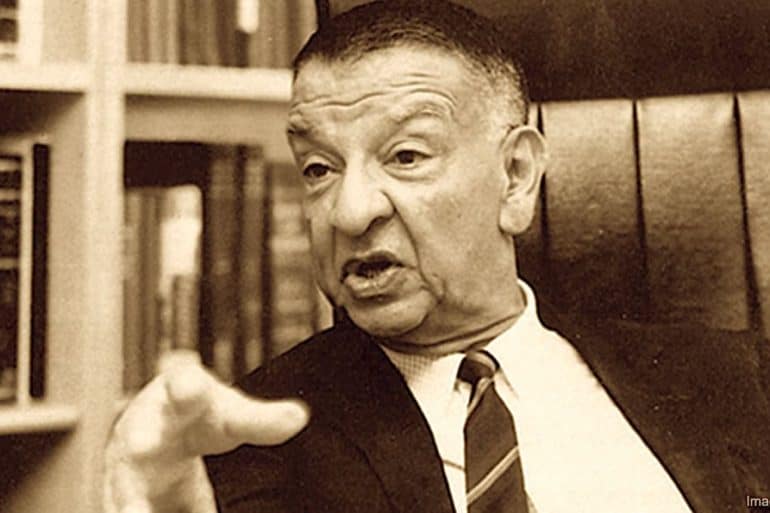
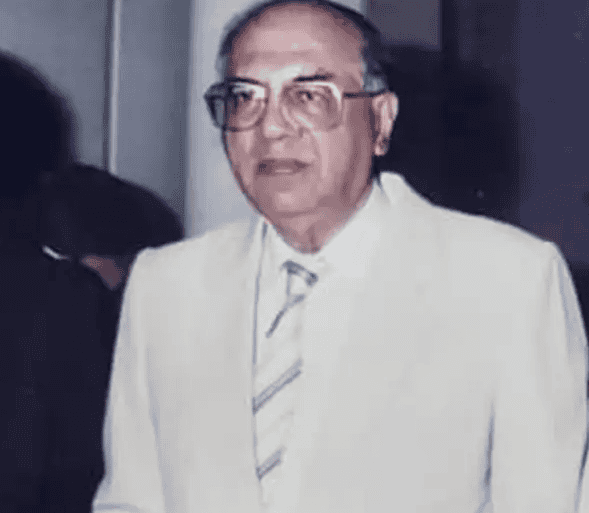
Why did India’s greatest legal mind refuse the Chief Justiceship?

For seven years, he was briefless. Politicians feared his moral courage. He refused the post of CJ. That post would have been his for five and a half years. Yet when Seervai spoke, the Constitution itself seemed to roar. This is the untold story of how one man's unwavering integrity shaped constitutional law across the Commonwealth—and why his final act on Republic Day 1996 was the perfect ending to ...

Read More

CJ’s Malta speech defines Democracy: a Government’s legitimacy depends on an Independent Judiciary

Can a judge speak truth about justice without facing negative consequences? Chief Justice Tengku Maimun’s Malta Speech exposed the deepest fractures. It revealed a constitutional cross-road by asking this question: "Will Malaysians choose constitutional rule, or arbitrary power?" What is your answer? It matters.

Read More