
What if the people you trust with your property quietly sell it—and then insist the contract lets them? In a Singapore case about 14 vintage cars, the court reached for a centuries‑old “ghost” of English law called bailment. Can that ghost still decide modern disputes? If you ever leave anything in someone else’s hands, you should read this essay
Read MoreHow will Artificial Intelligence impact judicial decision‑making?
It’s no longer if—but when—your next court ruling will be shaped by AI. Judges worldwide already lean on algorithms to sift through files, assess risks, and even draft early versions of judgments. This piece explores how deeply AI has entered courtrooms, where it can do the heavy lifting for overloaded court systems—but also why human judgment must stay at the heart of justice.
Read MoreRoyal Pardons for Anwar and Najib: is every Royal Pardon really the same?
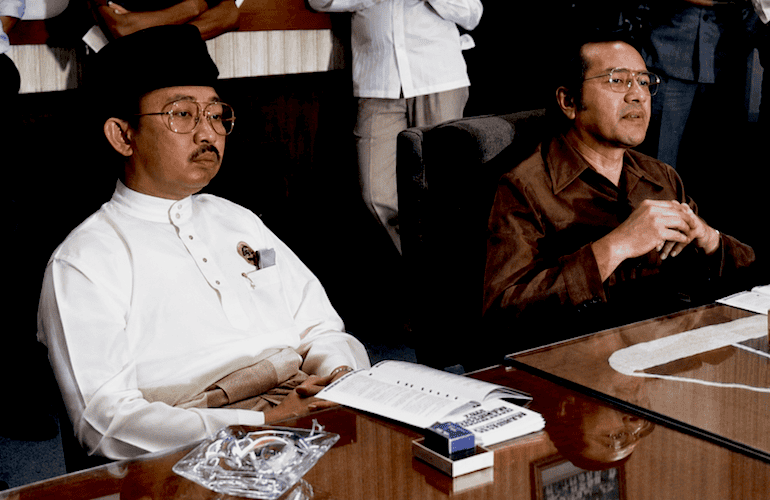
A royal pardon is not always what it seems. Nor are all pardons born equal. This essay sets Anwar’s legal clean slate against Najib’s trimmed sentence, and asks what that reveals about power, process, and the Malaysian Constitution. Along the way, it shows how two decisions of the Pardons Board produced strikingly different outcomes in law, politics, and public meaning – a tale of delays, denials, and enduring debates.
Read MoreCan an insurer cancel or void a policy in the face of MIB – and by when?
In Malaysia, if a car is validly insured when an accident happens, the insurer must pay the victim. Compulsory-insurance legislation, the Motor Insurers’ Bureau Agreements, and consumer-protection reforms now make post‑accident cancellations and technical excuses very difficult. The whole scheme is designed to protect injured people, not insurers’ balance sheets.
Read MoreHow should Professional Bodies punish multiple disciplinary offences? The principle of ‘Totality’
When a professional is found guilty of multiple misconducts, should a disciplinary body impose separate punishments for each offence, and then add them up, or just impose a single punishment for all? What if the offences occurred during the same incident, or at different times? How should the appropriate punishment be decided?
Read MoreWhen sporting ambition sidesteps integrity, the entire nation pays the ultimate price— loss of international reputation and respect; the dreams of future sportsmen and women dashed; and the disappointment of millions of fans. What is the law behind all this?
Read MoreWhy did India’s greatest legal mind refuse the Chief Justiceship?
For seven years, he was briefless. Politicians feared his moral courage. He refused the post of CJ. That post would have been his for five and a half years. Yet when Seervai spoke, the Constitution itself seemed to roar. This is the untold story of how one man's unwavering integrity shaped constitutional law across the Commonwealth—and why his final act on Republic Day 1996 was the perfect ending to ...
Read MoreCan motor insurers dictate how accident victims spend their compensation? A Commonwealth Perspective
The answer is a thunderous ‘No’. When justice is served after a motor accident, only you—not insurers, trustees, or courts—decide how compensation is spent. The law protects your right, absolutely and inviolably.
Read MoreShould doctors face liability for every error of judgement?
A doctor's split-second decision saves one life; but costs another. When does error of judgement become medical negligence? The answer will reshape healthcare itself. And the courts are struggling with it.
Read MoreFiltering Appeals: How could the Court of Appeal improve section 68 CJA Leave Applications?
Step into the Court of Appeal on a busy day. Fifteen or more leave applications, each one dragging on—an hour gone with every hearing. Judges listen, counsel argue, yet somehow the essentials get lost in the shuffle. Is there a better way?
Read More